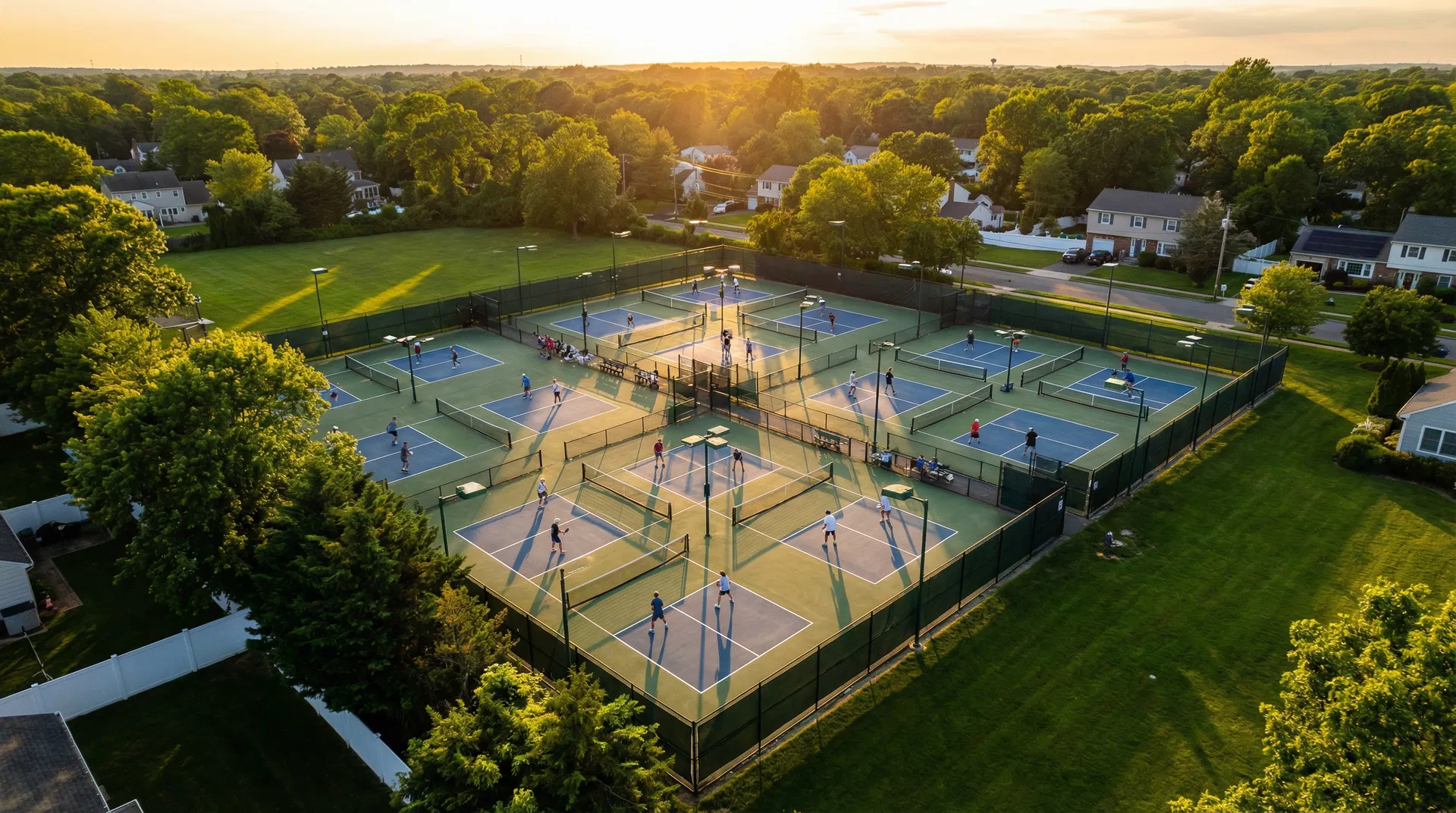
Pickleball is no longer just a sport. For a growing number of players — from weekend warriors to emerging pros — it's a platform. And social media is the engine behind it.
A few years ago, the idea of a 3.5-level recreational player building a following around their pickleball game would have seemed absurd. Today, it's happening constantly. Players are documenting their improvement journeys, reviewing gear, sharing match footage, and connecting with communities they never would have found through their local club alone. Some are landing sponsorships. Some are filling clinics. Some are simply finding better playing partners.
This is the new reality of pickleball in 2026 — and if you're not paying attention to it, you're leaving something on the table.
The Spinwave Ambassador Model
At Spinwave, we've watched this shift happen in real time. Our ambassador program was built around players who aren't necessarily the highest-rated in the room — they're the most authentic. Players like Justin and Desmond have built genuine followings not because they're posting highlight reels of 5.0-level play, but because they're real, consistent, and genuinely enthusiastic about the game.
That authenticity is the whole point. Audiences can tell the difference between someone performing for the camera and someone who actually loves what they're doing. The players who grow fastest on social media are the ones who stop trying to look like pros and start showing what it actually looks like to love pickleball.
What Platforms Actually Matter
Not all platforms are equal for pickleball content, and spreading yourself too thin is a fast track to burning out and quitting.
Instagram remains the most important platform for pickleball right now. Short-form video (Reels) and photo content both perform well. The pickleball community on Instagram is active, engaged, and genuinely supportive of players at every level. If you're only going to be on one platform, this is it.
TikTok has a younger, faster-moving audience and rewards consistency and volume over polish. If you can post frequently and don't mind a more casual format, TikTok can build an audience quickly. The algorithm is more forgiving of new accounts than Instagram's.
YouTube is the long game. Long-form content — full match footage, gear reviews, instructional videos — builds the most loyal audience over time, but it requires more production effort and patience. The players who are doing this well are treating it like a second job.
Facebook Groups are underrated. The local and regional pickleball groups on Facebook are where a lot of the actual community organizing happens — open play announcements, court updates, tournament info. Being active in these groups builds local credibility fast.
What to Post: The Content That Actually Works
The biggest mistake new pickleball content creators make is waiting until they have something "impressive" to post. The players who grow are the ones who start before they feel ready.
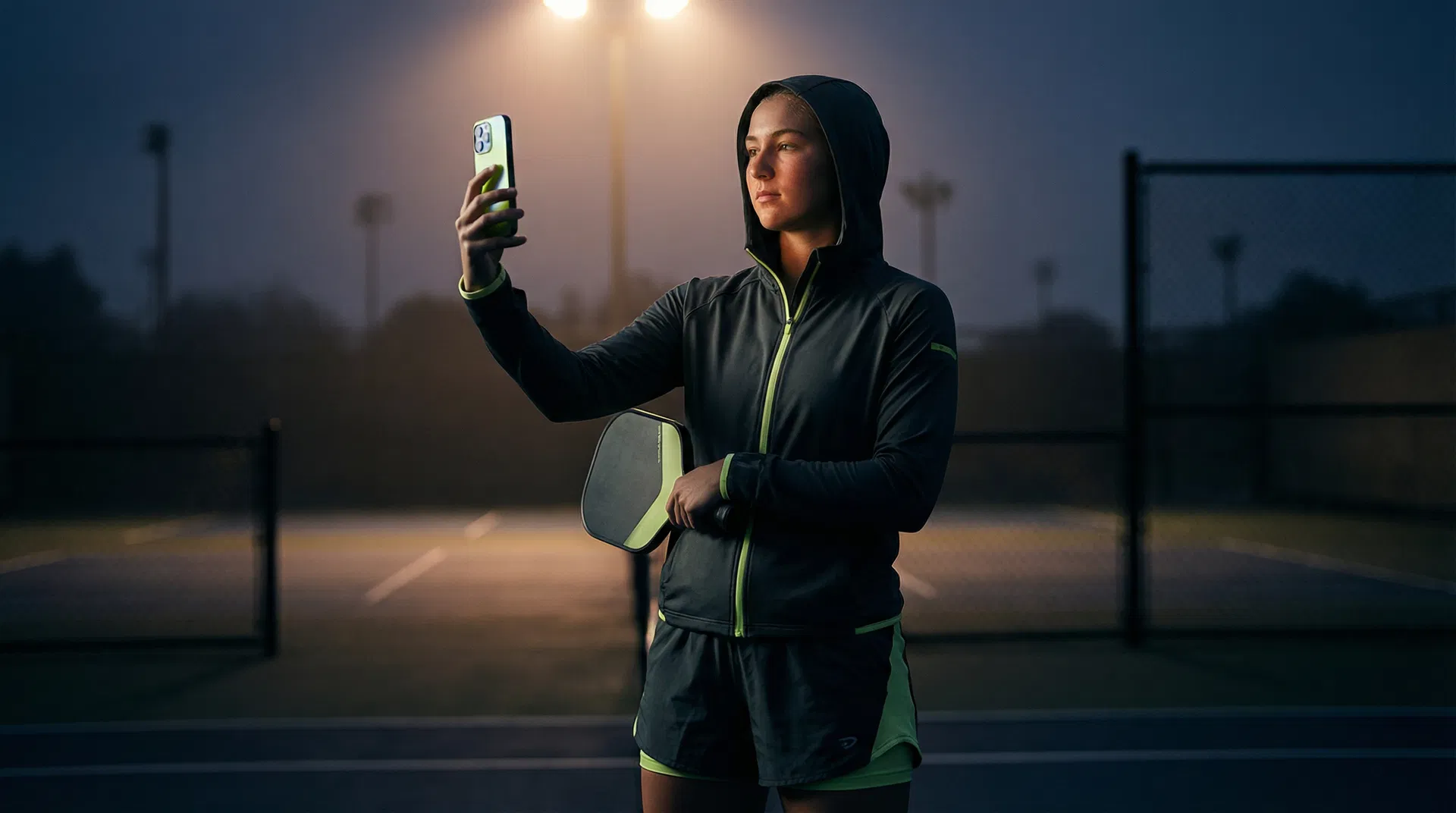
Match footage is the most shareable content in pickleball. Even a phone propped on a fence records enough for a useful clip. You don't need a 5.0 rally — you need a real moment. A great reset, a smart third shot, a funny mishit. Authenticity beats polish every time.
Gear content performs consistently well. Unboxings, first impressions, honest reviews after a month of play — this content has a long shelf life and attracts an audience that's actively looking to buy. If you're playing with interesting equipment, talk about it.
Progress documentation is underutilized and incredibly powerful. Posting your rating journey — the losses, the breakthroughs, the frustrating plateaus — builds a following that's genuinely invested in your improvement. People root for real stories.
Local community content builds the tightest audiences. Featuring your regular playing partners, your home courts, your local tournaments — this content resonates deeply with the people who matter most to your local game.
The Sponsorship Question
Every ambassador conversation we have at Spinwave starts the same way: a player who has been consistently posting, has built a small but engaged audience, and wants to know how to take the next step.
Here's the honest answer: brands aren't looking for follower counts. They're looking for engagement, authenticity, and alignment. A player with 800 followers who posts consistently, responds to every comment, and genuinely loves the paddles they're playing with is more valuable to a brand than a player with 8,000 followers who posts sporadically and treats their feed like a billboard.
If you want to work with brands, start by being a genuine advocate for the products you already use. Tag brands in your content. Write real reviews. Show up consistently. The conversations will follow.
The Bigger Picture
Beyond sponsorships and follower counts, there's something more important happening: social media is making pickleball better.
Players are learning faster because they have access to more content than any previous generation of players. Communities are forming across geographic boundaries. The sport is growing because people are sharing it — and every person who posts about their first game, their first tournament, their first paddle is adding to a wave that's still building.
If you're playing pickleball and you're not documenting it in some way, you're missing a chance to be part of something. You don't have to be a content creator. But showing up — even occasionally, even imperfectly — is worth more than you think.
Want to be part of the Spinwave ambassador community? Reach out here — we're always looking for players who love the game and aren't afraid to show it.