Choosing the right pickleball paddle should feel exciting — not overwhelming. But with every brand promising "more power," "more spin," and "next-gen tech," the market gets noisy fast. Add in shapes, thicknesses, surface materials, cores, and swing weights, and most players freeze.
This guide breaks down every meaningful consideration so you can confidently choose a paddle that actually matches how you play. Throughout, we'll include specific recommendations — but if you want even more help narrowing it down, contact us and one of our paddle nerds will guide you.
Quick Start: Choose in 60 Seconds
If you're in a hurry, here's the short version:
| Your Style | Shape | Profile | Recommendation |
|---|---|---|---|
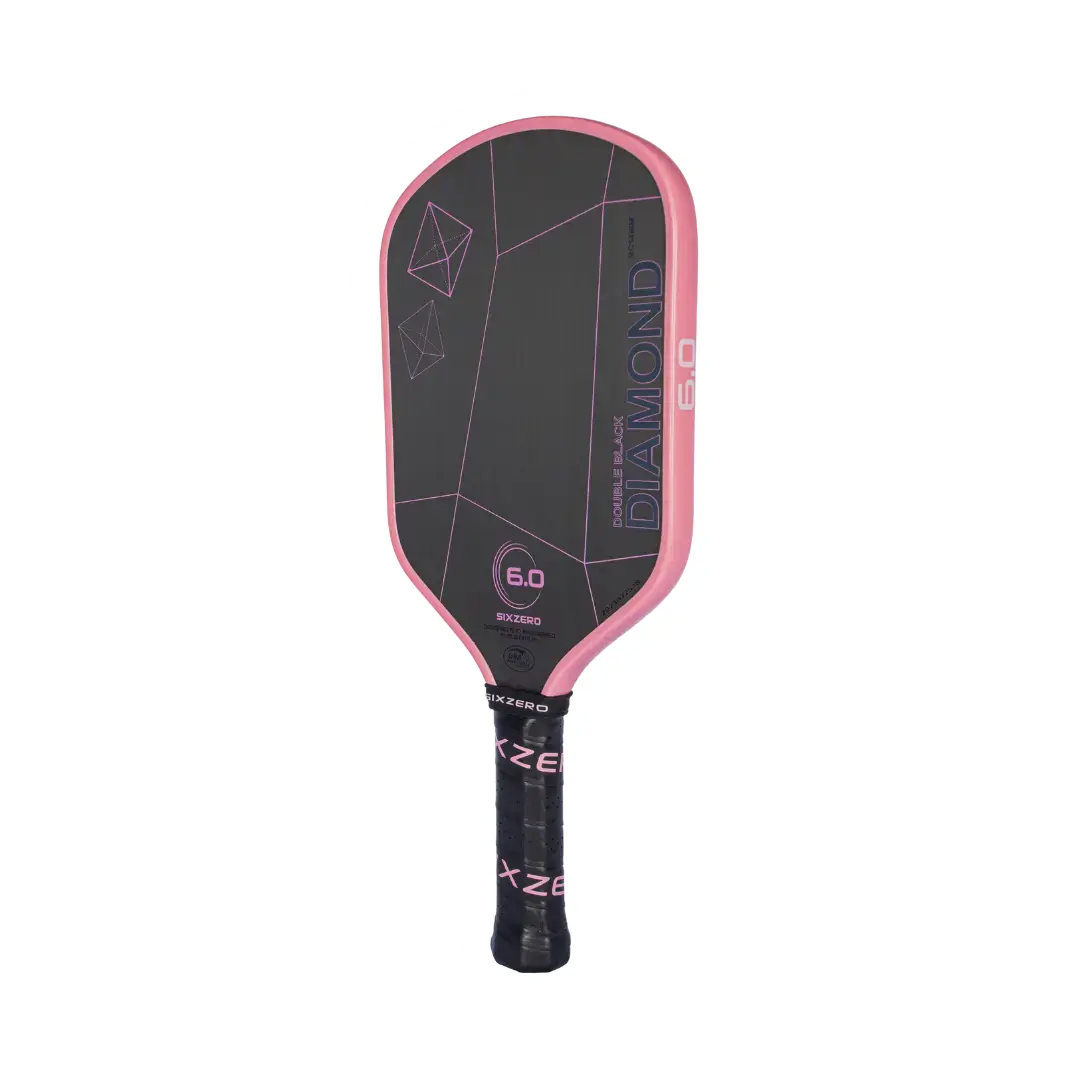
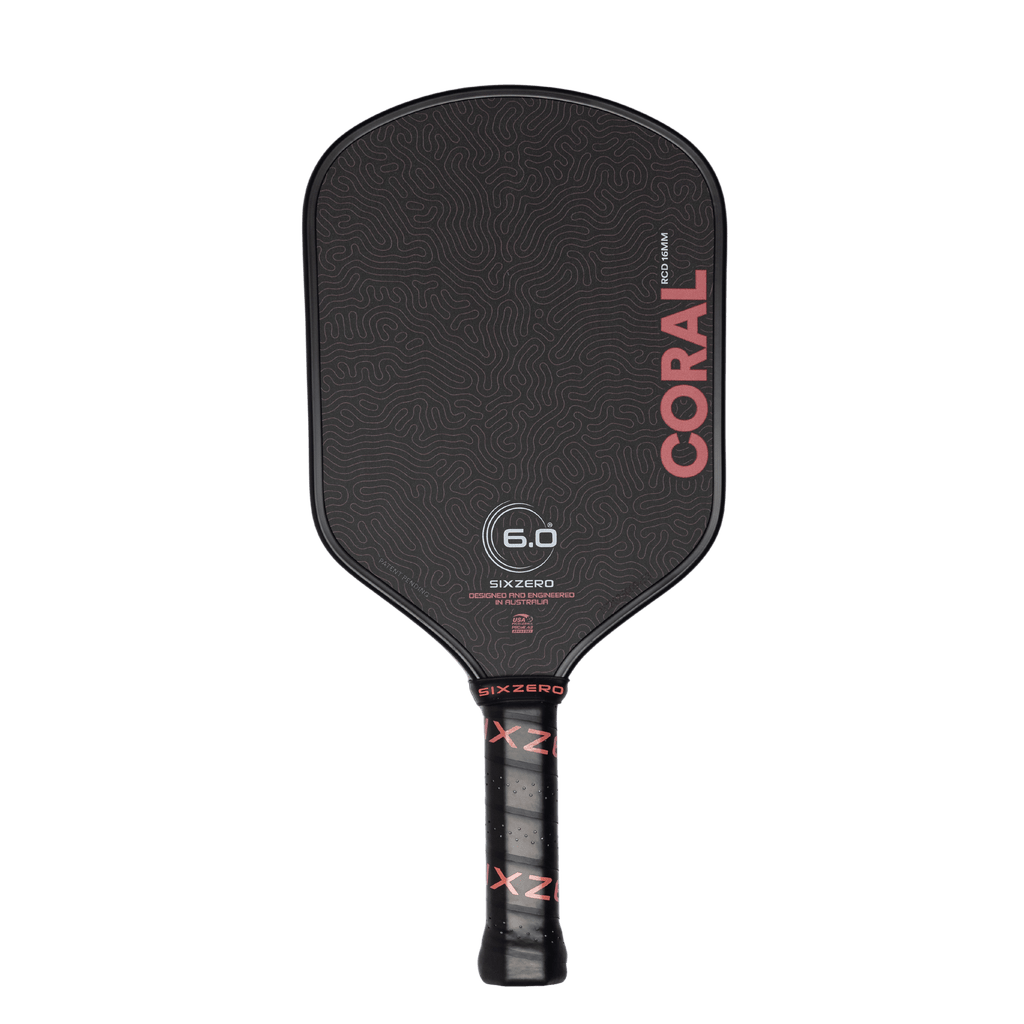
| Doubles player, fast hands, forgiveness | Widebody or Hybrid | All-court | Six Zero Coral Hybrid |
| Tennis background, want reach and power | Elongated | Power or All-court | Ask us — we'll match you |
| Soft game focus, win with placement | Widebody | Control or All-court | Selkirk Luxx Infinigrit |
Read on for the full breakdown.
Step 1: Set Your Budget
Price does not directly correlate with performance. A $130 paddle can outperform a $230 paddle for your specific game. That said, budget tiers do reflect real differences in materials and construction.
Tier 1 — Under $120: Great value. Perfect for beginners or players testing different builds. The Ronbus Quanta R2 ($119) is one of the most tunable paddles on the market at any price.
Tier 2 — $120–$200: Premium materials without the ultra-premium markup. This is where most recreational players live, and where the best all-around options exist.
Tier 3 — $200+: Highest-tech builds. Your favorite pro's paddle probably lives here. Worth it if you play frequently and know exactly what you want.
Step 2: Choose Your Shape
Once budget is set, shape is the next most important decision — and the one most players get wrong.
Tons of players over-estimate the reach they need and under-estimate the forgiveness they need.
The dimension differences between shapes are small on paper but enormous in feel.
Widebody/Standard: Largest sweet spot. Most stability. Fastest hands at the kitchen. Best for doubles-focused players who prioritize control and reaction speed.
Hybrid: Balanced reach with middle-of-the-road forgiveness and power. A great starting point for players who aren't sure yet.
Elongated: Extended reach. More leverage on drives and serves. Slightly smaller sweet spot. Best for players coming from tennis who want that extra arm extension, or anyone who generates their own power and wants help finishing points.
Step 3: Choose Your Thickness
With the foam core revolution, paddle thickness traits have gotten murkier. But for most paddles — especially polypropylene and standard foam cores — the rules still hold.
Thinner (14mm and below): More responsive off the face (poppy). Less plow-through power. Tends to be lighter. Better for players with a developed soft game who want quick hands.
Thicker (16mm and above): Less poppy. More baseline power. Proportionately larger sweet spot. Better for players still developing their soft game and feel preference.
For most recreational players, 16mm is the right starting point. You can always move thinner once you know what you're chasing.
Step 4: Choose Your Profile
Paddle profile determines how the paddle will play in your hands. It's not about specs — it's about feel and intent.
Power Profile: High baseline power, very responsive on short swings. Great for players with a developed soft game who can manage the firepower, or players who need the paddle's help to generate pace. *Recommendation: Aireo Cyclone.*
Control Profile: Low baseline power, muted response on short swings. Keeps shots low and unattackable. Perfect for players focused on "classic" pickleball — grinding out points, staying in rallies, winning with placement. *Recommendation: Six Zero DBD Control.*
All-Court Profile: The modern sweet spot. Mid-to-high power with mid-tier pop. Lets you grind out points and finish them when the opportunity comes. This profile has largely replaced pure control paddles because the game has gotten faster. *Recommendation: Honolulu J2FC+.*
Going Deeper: Construction Generations
For most players, budget + shape + thickness + profile is enough to make a great decision. But if you want to understand what's inside the paddle, here's how construction has evolved.
Gen 1 — Polypropylene, Cold Pressed: The original. Durable, familiar feel. Smallest sweet spots. *Recommendation: Paddletek ESQ-C.*
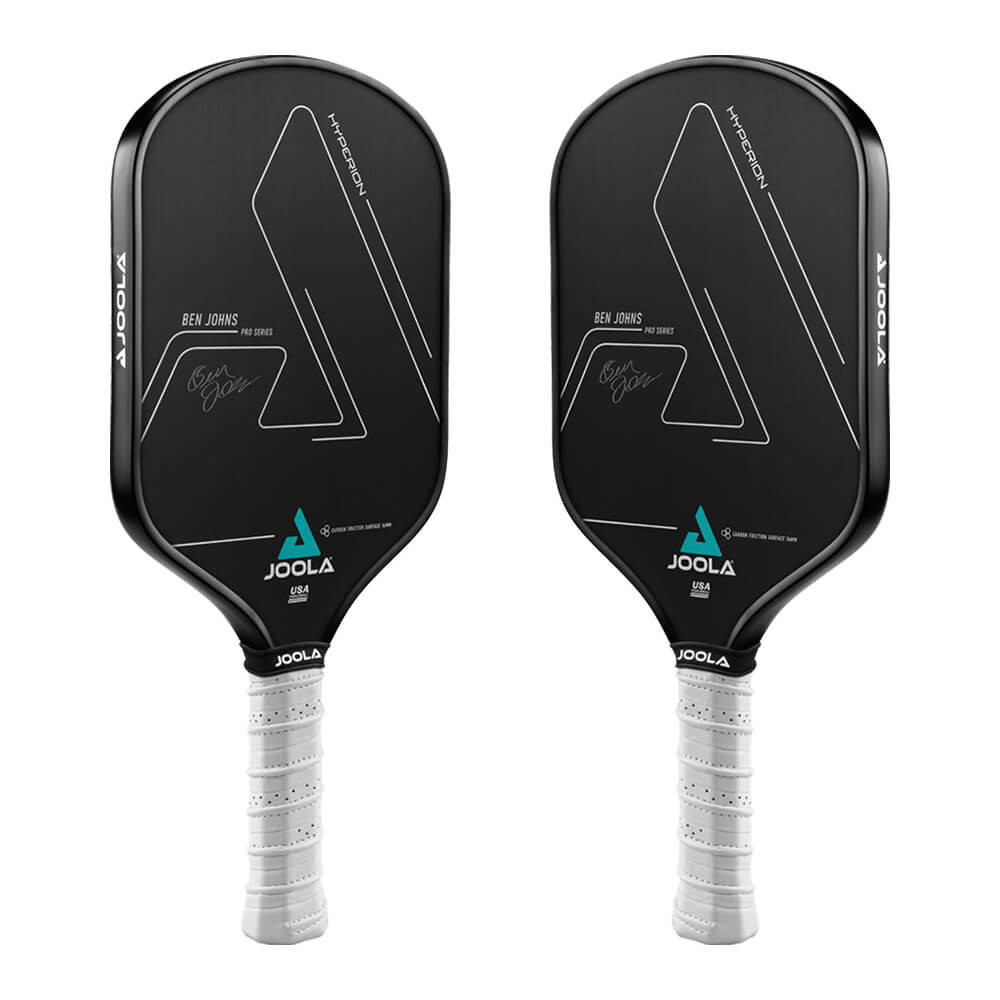
Gen 2 — Thermoformed Polypropylene: Added thermoforming increases power and forgiveness. Foam may be present for structure but not performance. *Recommendation: Joola Hyperion CFS.*
Gen 3 — Thermoformed + Edge Foam: Foam added to the core's edge for performance. The most common construction in pro play. Power and sweet spot performance pushed to the limit. The issue: polypropylene wears down over time.
Gen 4 — Foam Core: Foam replaces polypropylene as the primary core material. Solves the durability problem. Similar play characteristics to Gen 3. The polarizing trait: some players find foam too muted and miss the feedback of polypropylene. *Recommendation: Proton Project Peacock.*
Face Material: What Actually Matters
Raw Carbon Fiber: The standard. Lightweight, durable, excellent spin texture. Found on most premium paddles.
Fiberglass: Usually added to the face lay-up for stiffness. Results in a poppier feel.
Kevlar (Aramid Fiber): Improves vibration dampening. Can make a paddle feel more "dwelly" — longer contact time, more spin potential.
Titanium (Not Actually Titanium): It's been debunked that any paddles use real titanium. What's actually used is an aesthetically-pleasing polyester fabric — the softest face material on the market. Drastically reduces pop. Found mostly in control-based paddles.
Final Thoughts
Don't buy hype. Don't buy what your friend or favorite pro uses. Buy intentionally. The right paddle won't fix mechanics — but it can amplify your strengths and reduce your weaknesses.
We hope this guide helped narrow down your search. If you still have questions, contact us — we're always here to help.
Happy pickling.